Over the past few months, many buyers have been asking me the same question: 'Should I wait, or should I buy now?' While nobody can perfectly predict the market, the latest economic developments are certainly encouraging.
The Quick Take
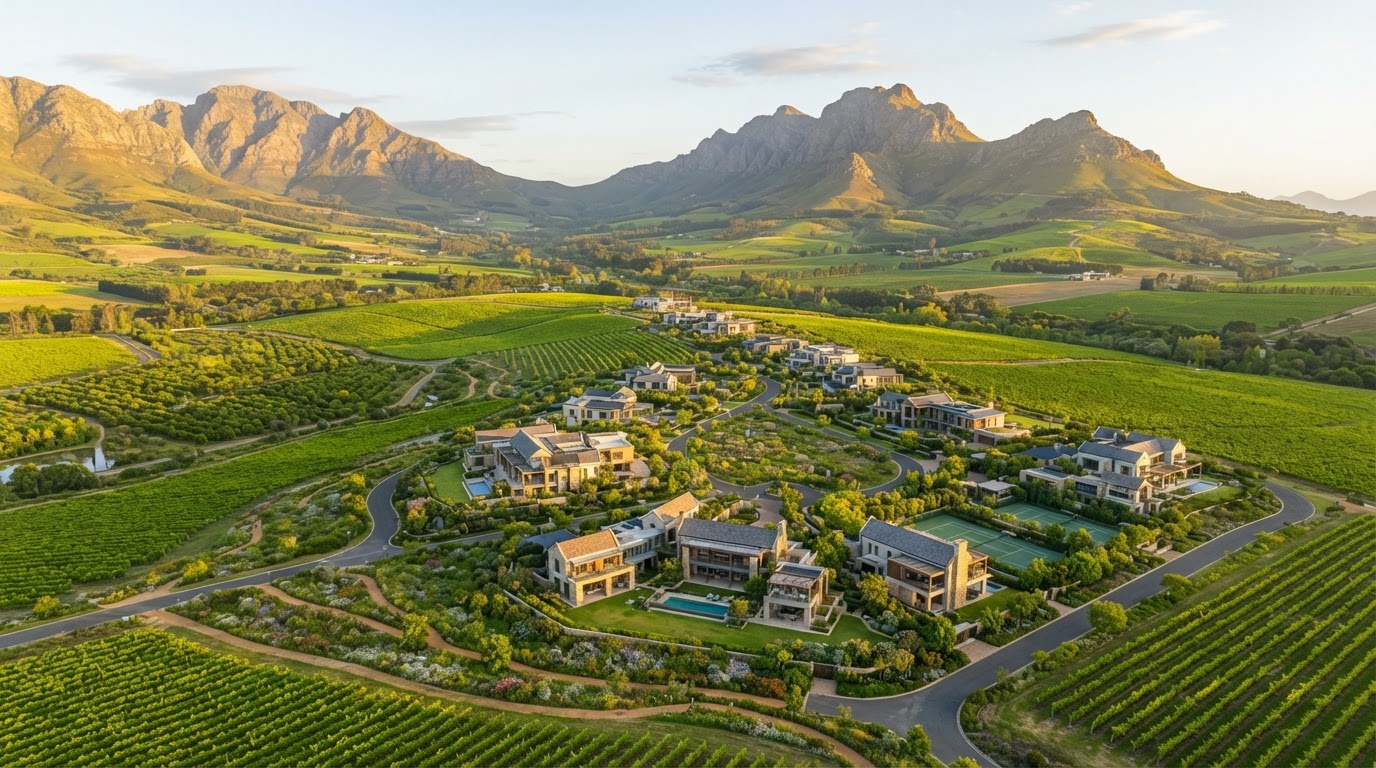
Over the past few months, many buyers have been asking me the same question: "Should I wait, or should I buy now?" While nobody can perfectly predict the market, the latest economic developments are certainly encouraging. July's fuel price reductions — approximately R2 per litre for petrol and between R3.14 and R3.59 per litre for diesel — should provide some welcome relief for consumers and help ease inflationary pressures in the months ahead. For property buyers, this matters because lower inflation reduces pressure on household budgets and improves the likelihood that interest rates remain stable for the foreseeable future. Most economists now expect the SARB to adopt a cautious approach rather than rushing into further rate hikes. Closer to home, the Western Cape property market continues to show remarkable resilience. Demand remains strong, particularly in areas such as Cape Town, Somerset West, Stellenbosch and Paarl, where lifestyle-driven migration and limited housing supply continue to support property values.
The Data Breakdown
• Petrol Price Decrease (July): Approximately R2/litre • Diesel Price Decrease (July): R3.14 – R3.59/litre • Prime Lending Rate: 10.50% • Headline Inflation (May): 4.5% • Average Western Cape Purchase Price: R2.45 million • Average First-Time Buyer Purchase Price: R1.81 million • Average First-Time Buyer Bond Granted: R1.54 million • First-Time Buyers' Share of Market: 37.9% • Investment Purchases: 32.6% • Multi-Bank Bond Approval Rate: 88.4%
A Practical Strategy for First-Time Buyers
If you're a first-time buyer, my advice is simple: focus on what you can control. Too many buyers spend months waiting for the "perfect" interest-rate environment, only to discover that property prices have moved higher in the meantime. The reality is that first-time buyers remain an important part of the Western Cape market, accounting for nearly 38% of all purchases, with the average purchase price sitting at around R1.8 million. Right now, I recommend: • Getting pre-qualified before starting your property search. • Exploring 100% bond options where available. • Budgeting properly for transfer and registration costs. • Comparing offers across multiple banks to secure the most competitive deal. • Focusing on long-term affordability rather than trying to time the next rate cycle. The buyers who are best positioned usually aren't the ones trying to predict the market. They're the ones who are financially prepared when the right property becomes available.
A Practical Strategy for Investors
For investors, one statistic stands out: almost one in every three property purchases in the Western Cape is investment-related. That tells me experienced investors still see value in this market despite higher borrowing costs. The areas attracting the most attention remain: • Well-located sectional title apartments. • Micro-apartments aimed at young professionals. • Student accommodation around Stellenbosch. • High-demand rental nodes in Cape Town, Somerset West and Paarl. The reason is straightforward. The Western Cape continues to benefit from strong inward migration, quality infrastructure, lifestyle appeal and a relatively constrained supply of housing stock. These are long-term fundamentals that don't disappear because of short-term economic noise. For investors, the goal should be securing assets that generate reliable rental income today while positioning for capital growth over the next five to ten years.
Principal's Insider Note
One of the biggest mistakes I see is buyers assuming that they need to catch the absolute bottom of the interest-rate cycle before making a move. Property wealth is rarely created by perfect timing. It's created by buying the right property in the right location and holding it long enough for the fundamentals to do the work. While economic pressures haven't disappeared, the combination of lower fuel prices, improving inflation prospects and ongoing demand for Western Cape property creates a far more positive outlook than many people realise. The buyers and investors who are prepared today are often the ones who benefit most tomorrow.